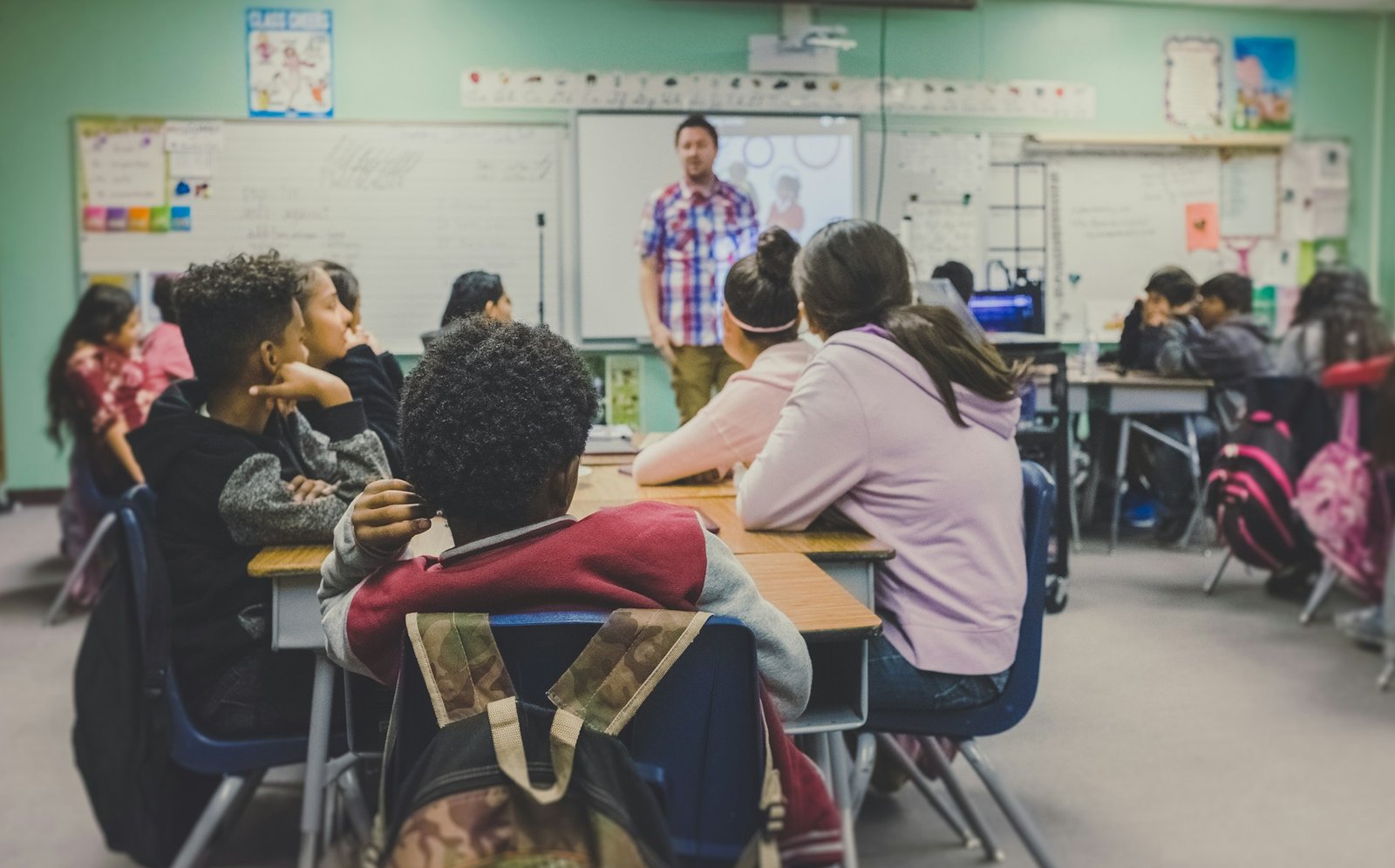
The world has, of course, been inspired by the sharp rise in youth activism around climate change in recent years. School strikes and fiery speeches at global forums demonstrate increasingly show young people are stepping up in the battle against manmade climate change. In light of this, one question rises to the top: How important a factor is climate change education in driving this formidable youth activism?
The Power of Knowledge
Education is at the core of this youth-led campaign. With the rise of climate change curricula in schools and informal learning environments, young people are becoming increasingly familiar with phenomena around global warming, as well as its widespread implications and importance in dealing with it.
Learning is more than just fact-based education. It often includes:
Practical experiments about greenhouse effects
Long-term trend of temperature changes and number of extreme weather events in historical data
Understanding the Ecosystem Trilogy: How Climate Change Wreaks Havoc on Systems

Social & Economic Implications of Climate Change Discussions
People of my generation, armed with a knowledge and understanding that the young do not often have the luxury today to grasp in all its terrible magnitude are likely now far more prepared – than we were then — to take action.
From Awareness to Action
Education about climate change: it is not only informational but also transformational responsibilities. Global warming not only provides the awareness students learn of its causes and consequences but also several ways to reduce or reverse global warming. One knows when they have been smashed against the ground, and another chooses not to do it. This knowledge changes extreme dependency into a condition of control. Many young activists attribute their education as the spark that got them to be involved:
The young climate activist, Greta Thunberg explained how she became involved with fighting against global warming after learning about it in school.
Several attendees of the Fridays for Future strikes said that having been spurred into action by science classes.
In addition, climate change education often includes civic engagement instruction which can help give students the resources needed to take action. Younger acts are setting an example by writing to their local representatives and organizing protests — they’re learning how to turn that concern into power.

The Ripple Effect
The effects of climate change education go far beyond personal activists. Armed with this kind of knowledge, young people can drive transformation in their local communities:
They serve as educational examples to others so that the support base can be expanded.
They influence their families and can even prompt parents or grandparents to change life patterns and reevaluate political stances.
They work with local stakeholders like businesses and politicians to encourage sustainable behavior while creating a climate-conscious atmosphere.
In doing so, this ripple effect magnifies the influence of youth activism and results in an unprecedented wave of cross-generational climate action.
Challenges and Controversies
Climate change education has its impact beyond doubt, however, we have some challenges: Citizen perception and concern: climate scientists report facts.

Although it is still debated as a policy in parts of the country, there is serious pushback and outright resistance to full climate curricula.
सम्बंधित ख़बरें
If not, then you run the risk of eco-anxiety among young people or teenagers and that is scary because they are our greatest hope.
Providing equal and quality climate education for all SESs, particularly the most disadvantaged ones is difficult.
They are essential to ensuring that climate change education has its maximum effect as far as youth activism is concerned.
The Global Perspective
Youth climate activism has been on the rise as a global movement, with youth of different cultures and backgrounds connecting to support this common thread. This global movement is largely credited to the role of climate change education, which:
Creating a common repository of knowledge across borders

Developing a global citizenship global Responsibility
Promoting International Cooperation Among Young Activists
Educated young voices are demanding climate action everywhere, from the streets of New Delhi to the halls of a United Nations summit: as they work for progress across cultural and geographical divides.
Looking to the Future
The impact of climate change education on young people, currents and coming in its wake, are likely to spread as the evolution continues. Areas of focus include;
Climate change is a transdisciplinary issue, not just the concern of natural scientists.
A greater emphasis on climate justice and how vulnerable communities are more adversely affected by climate change

Using new and novel technologies eg VR to make clear the consequences of what might happen if we fail to climate change
A more solution-focused approach to learning to alleviate eco-anxiety and build hope
These advances in climate education will undoubtedly create a whole new generation of well-informed, driven, and competent climate heroes.
Conclusion
There is an obvious and formidable nexus between climate change education and youth activism. As a preliminary step toward action, education intends to empower the youth with information, competencies, and motivation. As the challenges ahead caused by climate change loom larger than ever before, anything less would be unfit for purpose; investing in climate education is not just about producing informed citizens – it’s about cultivating that army of world-changers we so sorely need.
In this case, the youth climate movement — sparked by information campaigns & knowledge dissemination about humanity’s fossil fuel habit and its impending consequences. In the hands of youth activists who are psyched about it — a global force for good.