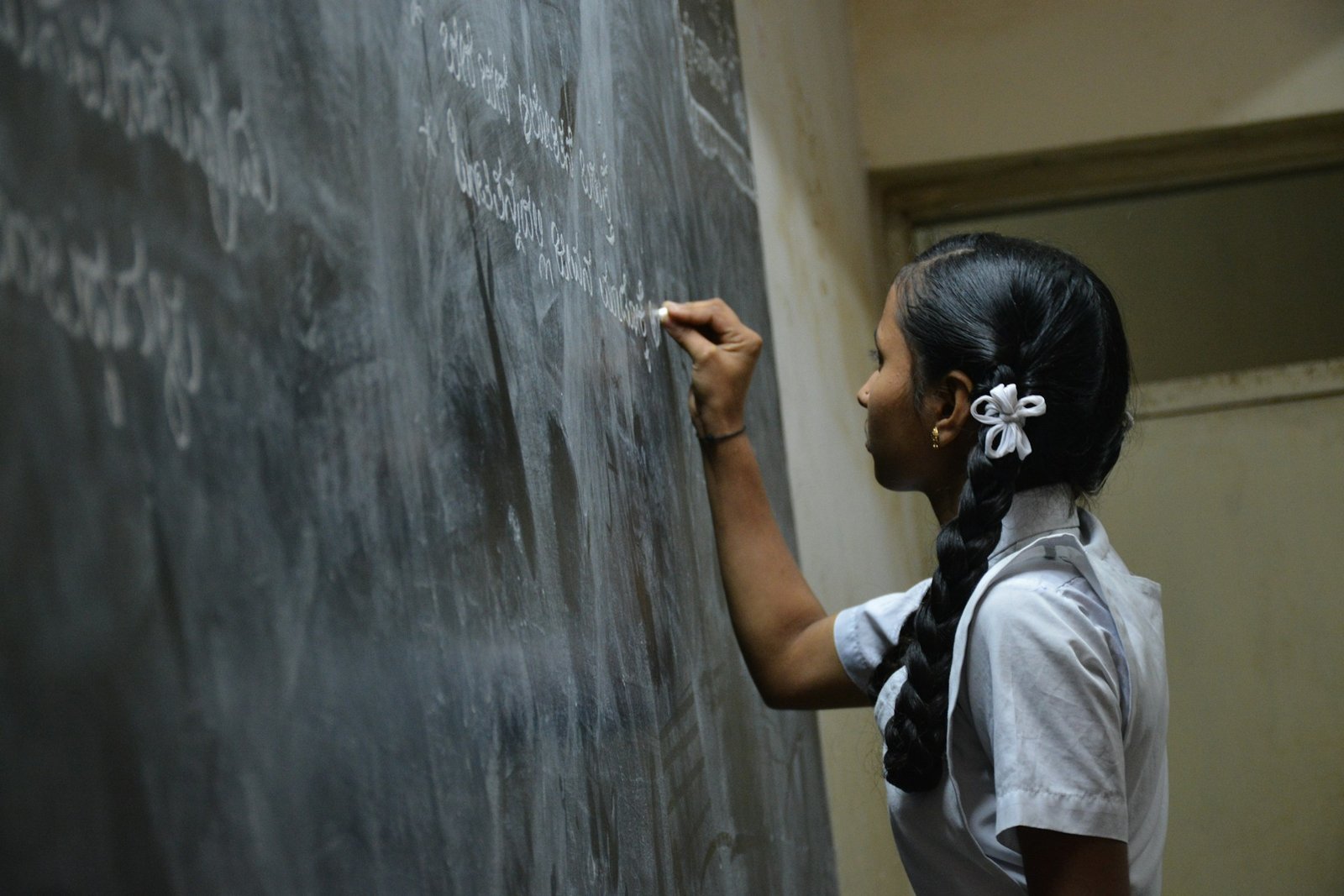
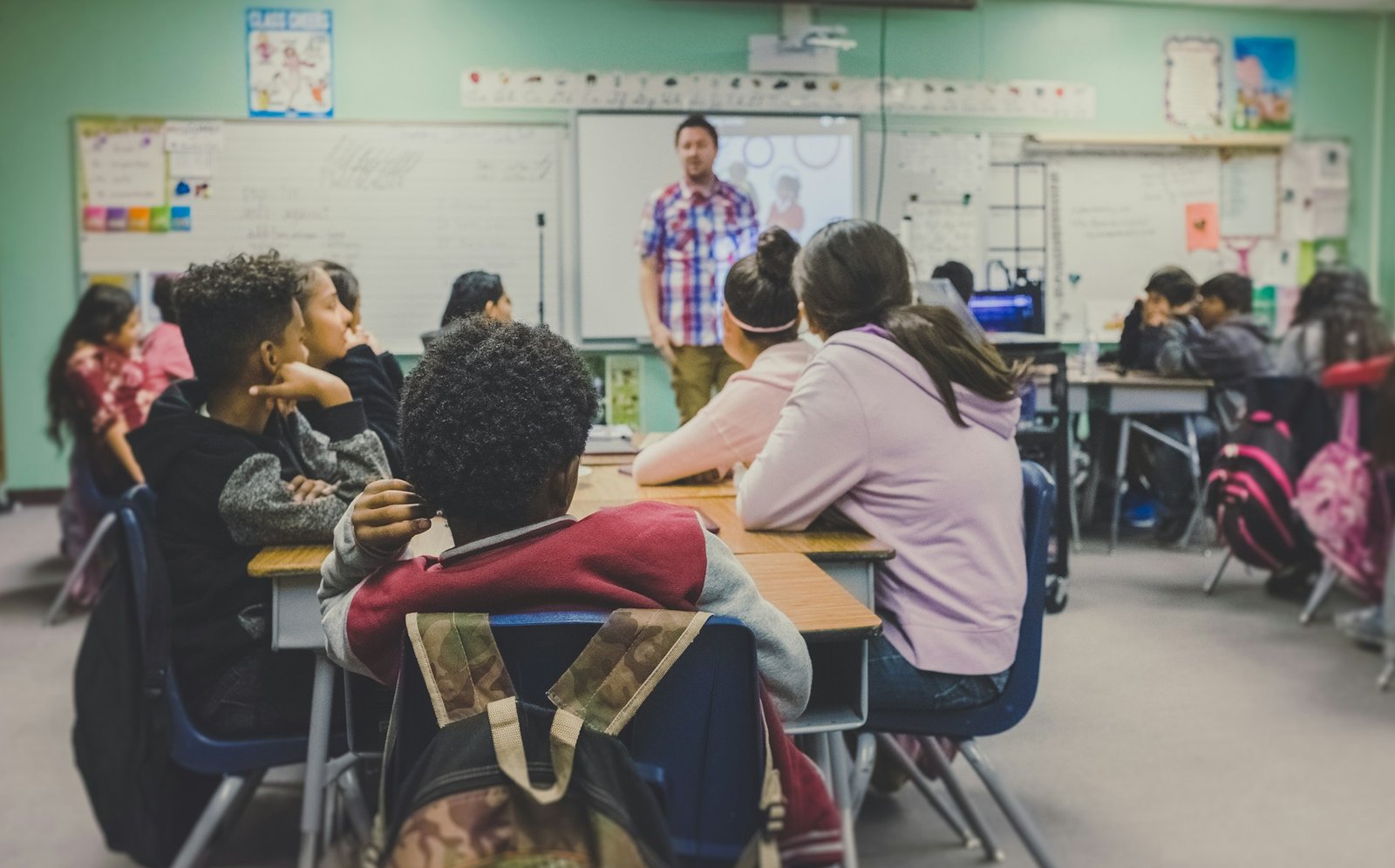
As the world turns more digital every day, being connected to technology and a modem has become vital for educational accomplishments. There remains a significant divide between digital resources and connectivity in urban vs. rural areas, however. This gap called the digital divide, is a real stumbling block to academic achievement and career success for these rural students. This article delves into why bridging this gap matters and strategies for ensuring that rural students have equitable access to these digital tools essential for success.
Understanding the Rural Digital Divide
Digital Divide in Education program Here we will see what the digital divide means a difference and read about some manifestations of rural education:-
Fragmented pitawasa access: Additionally, many rural regions lack reliable high-speed Internet infrastructure, limiting area students’ ability to communicate in classes or tap into online resources.
Obsolete Technology: Rural schools are frequently cash-strapped, resulting in legacy PCs and software that may not be capable of running current educational apps.
Digital illiteracy: Both students and teachers in rural areas who do not have regular exposure to technology can be digitally skill-impoverished.
Lack of exposure to STEM resources: Rural schools are less likely to give students access to hands-on experience with state-of-the-art technology and materials related to science.
These struggles can have major implications, potentially hindering the academic success and job opportunities of rural students — a consequence that also affects their ability to engage fully in an increasingly digital world.
The Importance of Bridging the Gap
Several reasons for addressing the digital divide in rural education are important.
Equal opportunities: Access to digital resources has balanced the playing field, as now even rural students can offer competition with their urban peers in studies and job markets.
Interactive learning: Digital tools offer interactive, personalized interfaces that students enjoy and result in improved outcomes.
Future workforce readiness: Since an increasing number of jobs require digital skills, it’s important to give all rural students technology literacy for them to succeed.
Community development: Better connectivity and digital skills yield economic growth and innovation in rural areas.
Strategies for Bridging the Digital Divide
The first is to address the rural digital divide involving multiple stakeholders. The following are some tactics that can assist you:
1. Expand Broadband Infrastructure
There must be investments from governments and private sector partners to bring high-speed internet access out into the rural hinterlands. This can include:
Installing fiber optics
Discovering new solutions similar to satellite internet or mobile broadband
Champion policies that encourage tech companies to build non-coastal offices
Conclusion
This is what bridging the digital divide in rural education looks like Access to technology means access to opportunity and unlocks potential in ways that empower students to reach their full capabilities. We can give rural students the power to win in the digital age with a whole-community approach that considers infrastructure, technology, and equipment readiness, skill-building programs for current practitioners and teachers-in-training alike—and community engagement strategies.
While we move towards this, it is critical to keep in mind that technology should serve as an enabler and not just for the sake of being a provider. When we give rural students a quality opportunity for digital resources and education, it’s not just a matter of getting them ready for the future —we’re also opting out of allowing their ZIP code to dictate that future.
Closing the digital divide gap is not going to be easy, but if we are serious about education opportunities for all students and economic benefits across rural communities then this needs to happen. We can and must do better for all students, no matter their zip code, to ensure they have the digital tools and skills that provide them with agency in our increasingly tied-together world.