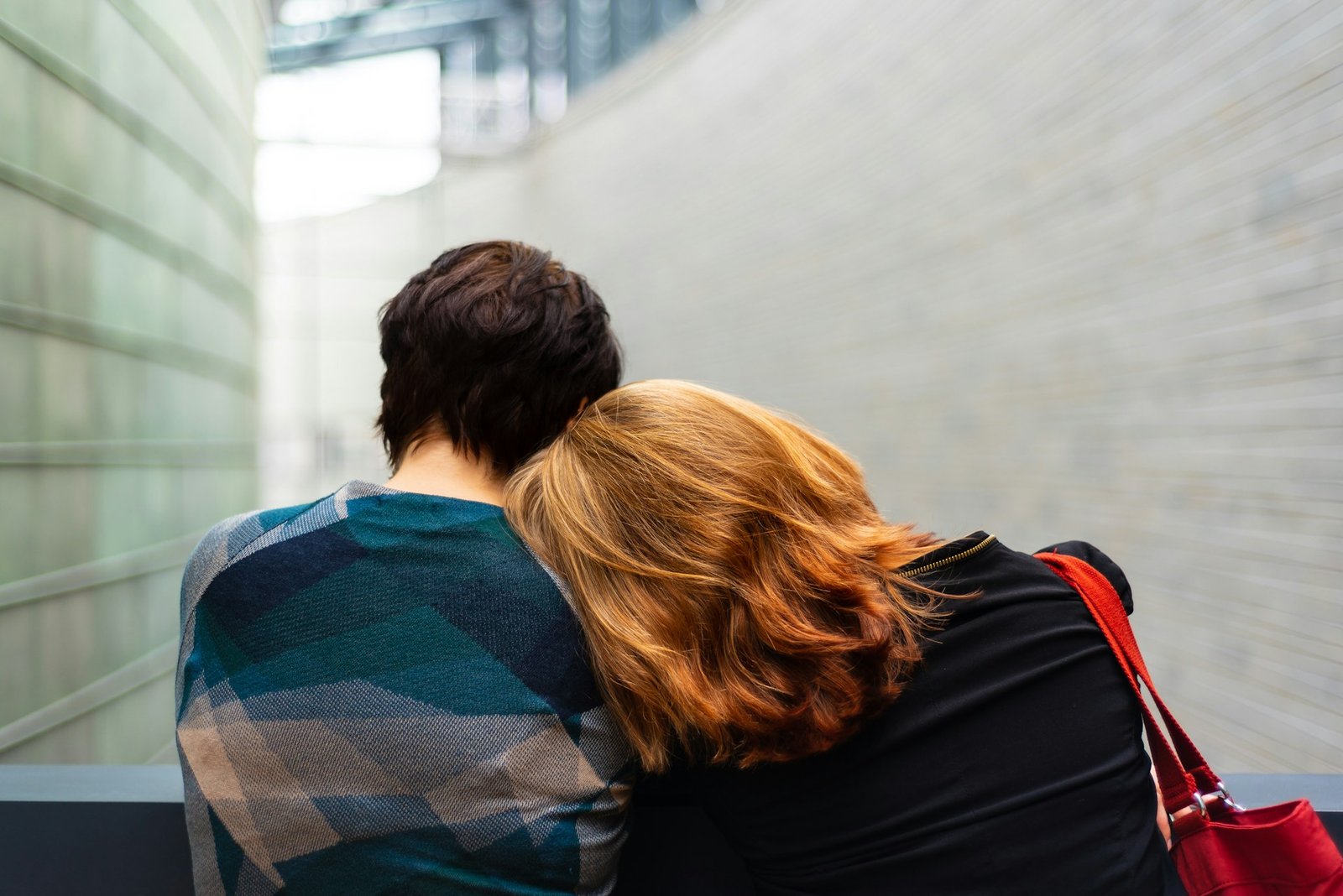
The education field has moved toward the direction of inclusion in recent years, especially within special education. Inclusion has nothing to do with simply putting students who are disabled in a general education classroom but instead about having them all learn and grow together, regardless of what challenges or strengths they bring along. In a recent blog post, my friend and colleague Nancy Nesbler wrote about the need to disrupt current practices in special education inclusion especially when we can point to data that supports outcomes for everyone.
1. Universal Design for Learning (UDL)
Universal Design for Learning (UDL) is a set of principles and practices that guide the design of instructional goals, assessments, methods, materials, and tools to maximize learning efficacy by making content accessible to all students. As such, UDL is based on the knowledge that a one-size-fits-all curriculum will not work for every student and provides different ways for the information to be inputted by students or received (representation), engaged with it (action/expression) as well as how they can demonstrate what they know.
Key aspects of UDL include:
Representational options (how the “what” of learning is made available)
Providing options for action and expression (The “how” of learning)
Providing multiple avenues of motivation (the “why” and internal drive for learning)
UDL principles can help educators design learning environments that meet the needs of all students without separating those with disabilities.
2. Co-Teaching Models
Co-teaching is the practice of having one general education teacher and one special education teacher in a classroom together. This in turn leads to more individualized attention and support for ALL students, not merely those who have been flagged as “needing help.”
A variety of models that work well under the co-teaching umbrella are:
One Teach, One Observe: where one teacher leads the class while others collect data on particular students or behaviors.
Station Teaching – Teachers break up content and kids and rotate the middle schooler around to different stations.
Two-Teacher or Parallel Teaching — The class is divided in half, and one teacher teaches on building blocks while the other works with language.
Differentiation: One teacher provides explicit instruction to a small group while the other offers implicit support throughout for larger groups.
These models are nimble and allow for teacher-driven strengths to meet those of diverse students.
3. Assistive Technology Integration
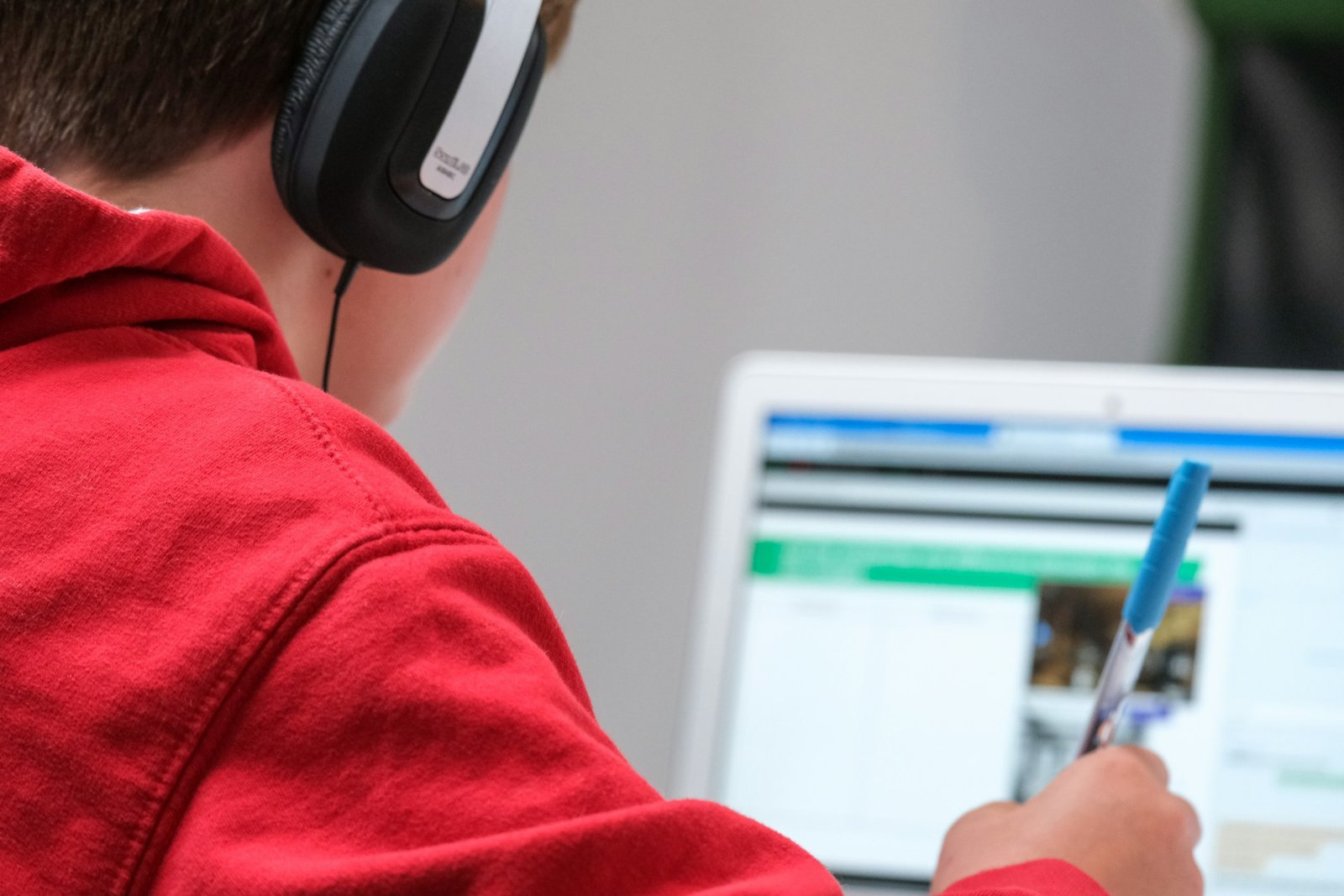
Technology has subsequently advanced their access to becoming more inclusive. Assistive technology tools can work to level the playing field for students with disabilities, giving them more access in general education settings.
Innovative Assistive Technologies
TTS and STT Software
Pens that record audio while a student writes notes
AAC Devices—Augmentative and Alternative Communication
Social skills training in virtual reality
This way, by incorporating these tools into the classroom experience continuously and without emphasizing that additional helps are utilized not only kids with diverse abilities can get help freely.
4. Peer-Mediated Instruction and Intervention (PMII)
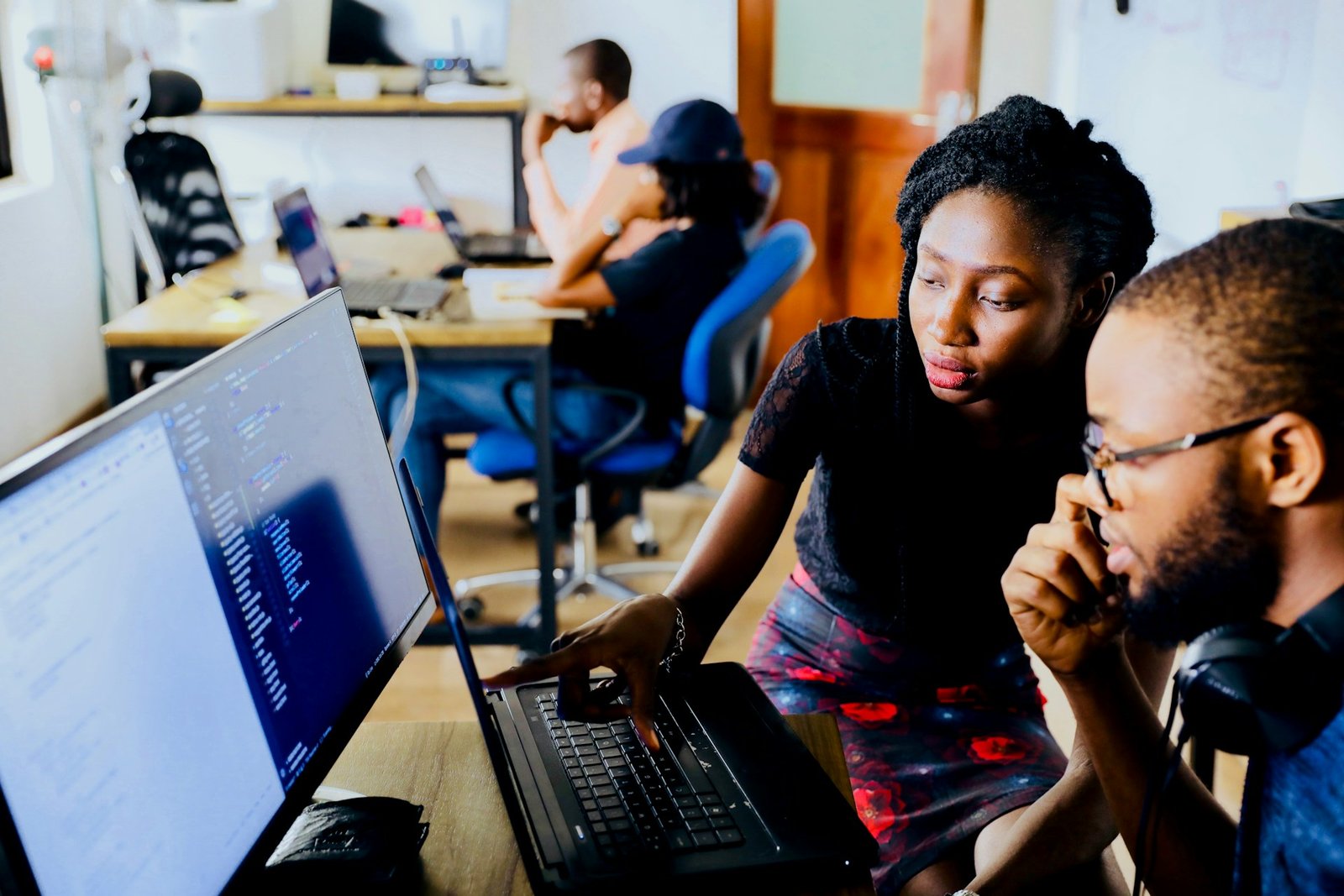
PMII: a training-the-peer approach to peer support and inclusion of students with disabilities In addition to accommodating students with disabilities, this approach also develops important traits in their classmates such as empathy for those who learn in unique and different ways; an understanding of what it means to be a leader and how everyone has something unique or worthy about them.
PMII strategies that work
Peer tutoring programs
Peer-based academic and social support Buddy system
Peer-focused approaches help establish a more orbit-like social universe and can lead to better academic outcomes for all students.
5. Social-Emotional Learning (SEL) Integration
Given the power of social-emotional skills to forecast later academic success and well-being, more schools are beginning curricular integration. It is an approach that can be particularly useful for students with disabilities, such as those who have difficulty in social interactions or emotional regulation.
Here are some of the aspects that SEL comprises:
Self-awareness
Self-management
Social awareness
Relationship skills
Responsible decision-making
Educators can promote an inclusive and supportive school culture by intentionally teaching these skills in the classroom every day.
A diverse population of students whose needs are not always met in the traditional classroom setting. Recently, transformative schools have been designing their learning spaces according to various types of learners and what they need.
Flexible seating might look like this…
Standing desks
Wobble chairs
Bean bags
Floor cushions
Table Arrangements that are Done Collaboratively
With nine different variations of seating, students can pick what space will work for them and their learning style to be comfortable while remaining focused.
7. Project-Based Learning (PBL)
Project-Based Learning (PBL) is a teaching method in which students gain knowledge and skills by working on an extended project that addresses real-world problems. This technique works well in inclusive classrooms because it:
Enables personalization according to student capabilities and interests
Fosters collaboration and encourages peer support
Offers various forms of expression and assessment
Who: Involves students in work processes for real and valuable tasks
PBL can offer a more equitable playing field by switching the focus from traditional instruction and testing to projects that allow everyday learners to work on their strengths.
Conclusion
New special education inclusion strategies are changing the way classrooms approach diversity to create better and fairer learning spaces. Universal design, technology integration, peer support, and changing the setup of how we teach in a classroom will result in creating truly inclusive spaces—where all students can learn with each other.
As we update our understanding of what inclusion should mean in practice, educators, administrators, and policymakers must remain open to fresh ideas. That way, we can make sure the education system does work for all kids, so they come into this world ready to succeed in a global society full of people who are different from themselves.