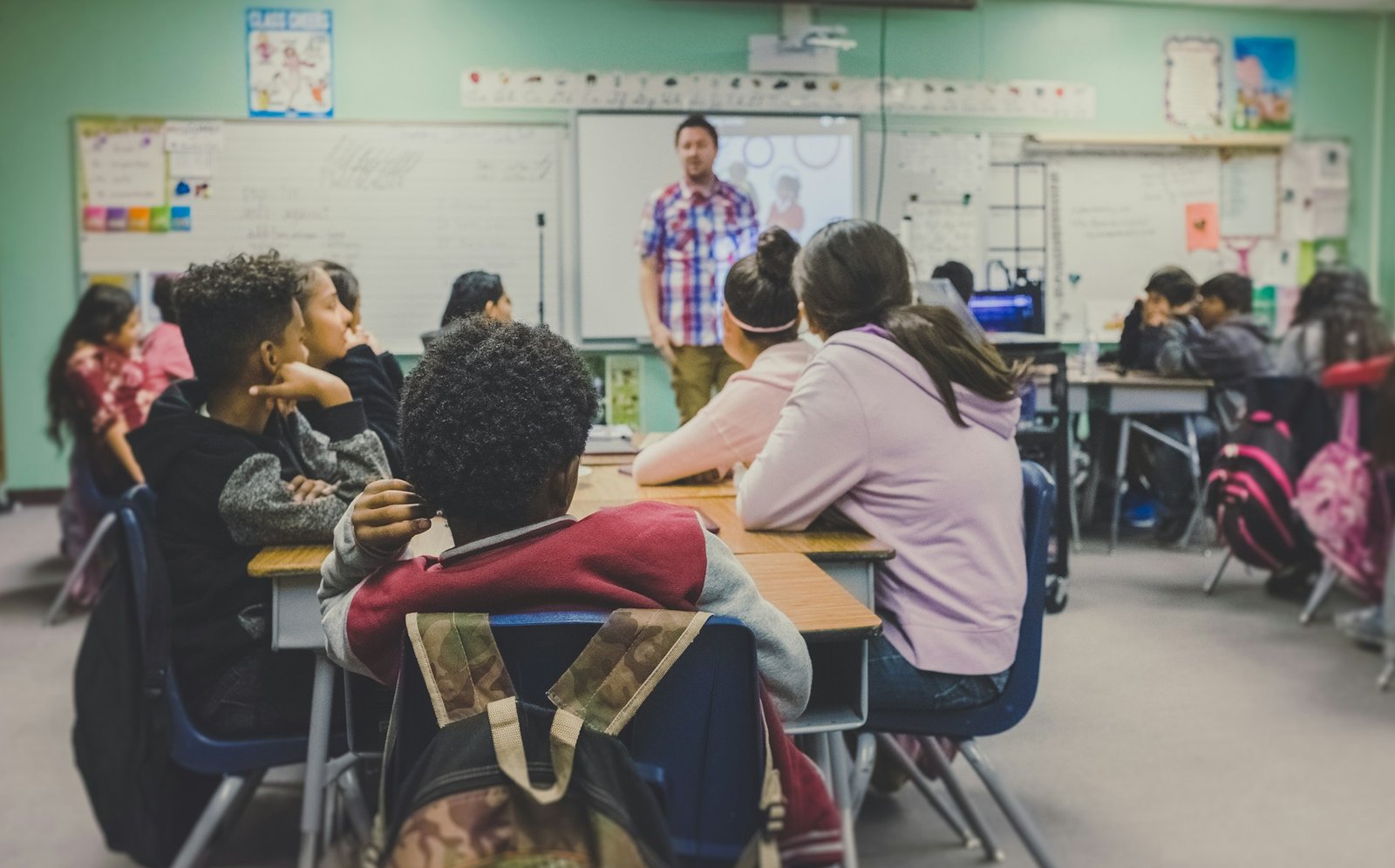
The academic community and research noticed that recently academic success is no longer considered to be determined by cognitive abilities or subject knowledge. One key determinant that has a major impact on student’s educational achievement is their social and emotional competency. Those realizations have given rise to Social-Emotional Learning (SEL) as a cornerstone of 21st-century education. The Role of SEL in Academic Success & Student Well-Being
What is Social-Emotional Learning?
Social-emotional learning is the process through which children and adults acquire and effectively apply: knowing, understanding/recognizing emotions; using emotional information to guide thinking and behavior/managing/adapting own or other reactions/affect/goals Thinking about feelings; reasoning/reasoning with others Social skills Establish/maintain relationships Making motivated decisions CASEL (Collaborative for Academic, Social, and Emotional Learning) outlines 5 Core Competencies of SEL:
Self-awareness
Self-management
Social awareness
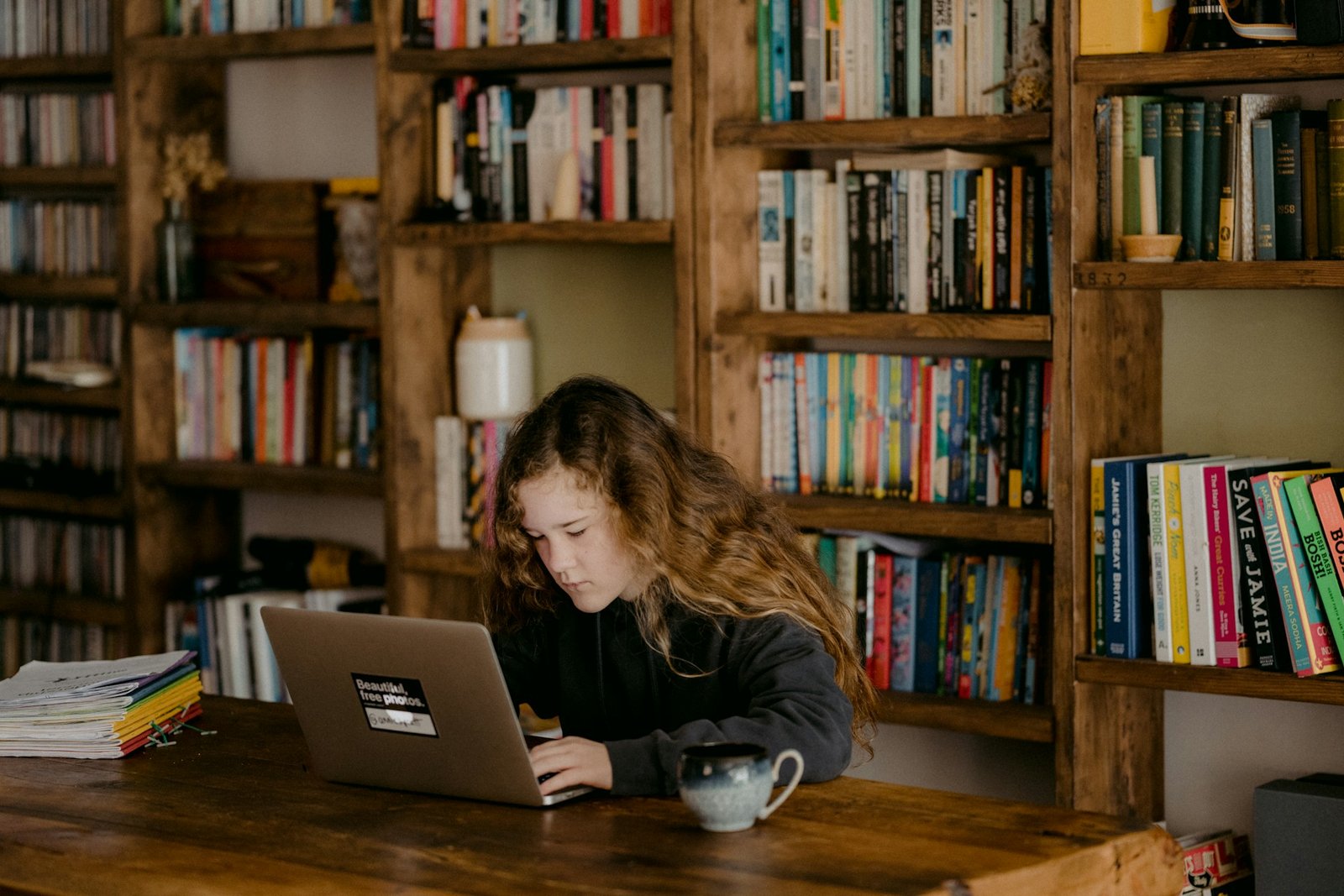
Relationship skills
Responsible decision-making
These are not inborn abilities; they can be learned and improved, like academic skills. When introduced as part of the learning experience, SEL can exert a lasting effect on academic achievement and beyond.
The Connection Between SEL and Academic Success
Several studies have found a significant relationship between social-emotional competence and academic achievement. Now a few reasons how SEL helps contribute to academic success:
1. Improved Classroom Behavior
Those who have good social and emotional skills can handle themselves better in a classroom, even when the going gets tough. This results in fewer interruptions, more time to focus on learning, and a more positive classroom environment for all students.

2. Increased Motivation and Drive
Develops a growth mindset—the belief that students’ abilities can be developed through dedication and hard work. This mentality by nature encourages self-driven motivation and resilience during trying times, which results in better academic performance with practice.
3. Better Stress Management
For many students, academic pressure can be very stressful. It also gives them life hacks to relieve stress so that they do not succumb to burnout and prevent various illnesses related to mental health. They handle the challenges of academics better.
4. Enhanced Collaboration and Communication
Most academic tasks need to be performed through teamwork and just good communication lets you make this possible. Many of these skills in social-emotional learning (SEL) help students develop through working in groups, participating more actively in class, and knowing when to ask for help.
5. Increased Engagement
Students who have adequate social-emotional skills are going to feel a better sense of belonging in the school. This socialization leads to likely engagement in academics, and less truancy which are crucial factors of success at school.
सम्बंधित ख़बरें
Evidence of SEL’s Impact
A large body of research indicates that SEL has clear benefits on academic performance (reviewed by Durlak et al. [1]). One meta-analysis of 213 school-based SEL programs involving more than 270,000 students found that participants improved significantly on social and emotional skills, attitudes to self or others, and positive social behavior; the same study also reviewed academic achievement. All students who participated in SEL programs typically showed an 11 percentile-point increase in achievement.

In addition, the positive effects of SEL transcend beyond just academic success right then and there. Researchers find that long-term, studies show students who have received SEL instruction graduate at higher rates and are more college- and career-ready than their peers; they also demonstrate fewer negative academic behaviors.
Implementing SEL in Educational Settings
Now that the benefits of SEL are well established, schools across the nation continue to explore how they can integrate it into their curriculum. Implementing S EL can be executed in multiple manners:
Explicit SEL lessons: Many schools prioritize time for explicit instruction, where students are taught specific skills like how to manage their emotions or resolve conflicts.
Integration across academic subjects — incorporating SEL content into various school subject areas Literature classes may explore the emotions and motivations of characters, while history classes can dig into social-emotional elements of various historical events.
Schoolwide initiatives—I love when schools embed SEL into the building culture and norms in common areas like hallways, cafeterias, and playgrounds.
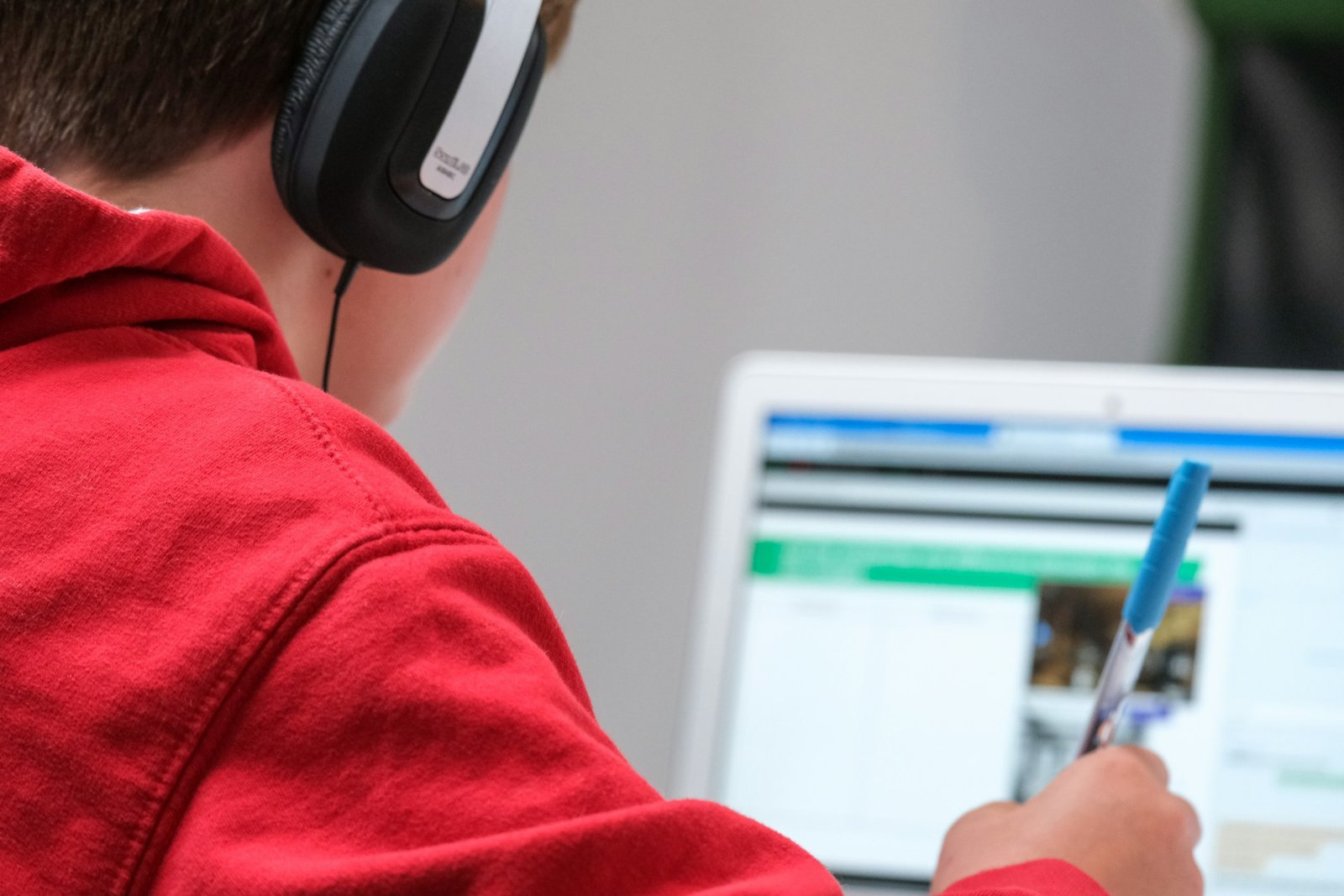
Teacher PD: The first involves providing teachers with the training and support to demonstrate, model, and cultivate social-emotional competencies in their interactions with students.
Parent involvement (infographic for educators to share with parents on how they can support at home) — using SEL outside the classroom, as a way out transferable information back into their family life.
Challenges and Considerations
There is no question that the advantages are there, but SEL also presents its share of obstacles. Critics argue that SEL detracts from precious academic hours or is the province of parents, and not schools proper as teaching values character education. Furthermore, assessing SEL outcomes can be significantly more difficult than measuring academic content.
Yet supporters counter that matters SEL will yield returns for years in the form of higher academic achievement and are crucial to success on a contemporary job site. They also stress that SEL is “not about values,” but intended to teach universal human competencies.
Conclusion
That Social-Emotional Learning plays a critical role in academic success is becoming more and more clear — it really can no longer be denied. SEL helps teach students how to understand and manage emotions, set goals, show empathy for others, and maintain positive relationships that influence their decision making which provides a foundation for academic success. Given the growing number of SEL programs and policies appearing in education systems, it is fair to say the marriage between social-emotional learning along with academic curricula, will become critical (if not obligatory) as our 21st-century world complexities evolve.

To further this work, more research is needed to build the evidence base for careful and deliberate SEL implementation that can be adapted based on evaluation data to maximize the academic success and well-being of all students. Once we embrace the idea that social-emotional learning and academic achievement are two sides of the same coin, only then can our schools become places where kids fully thrive.