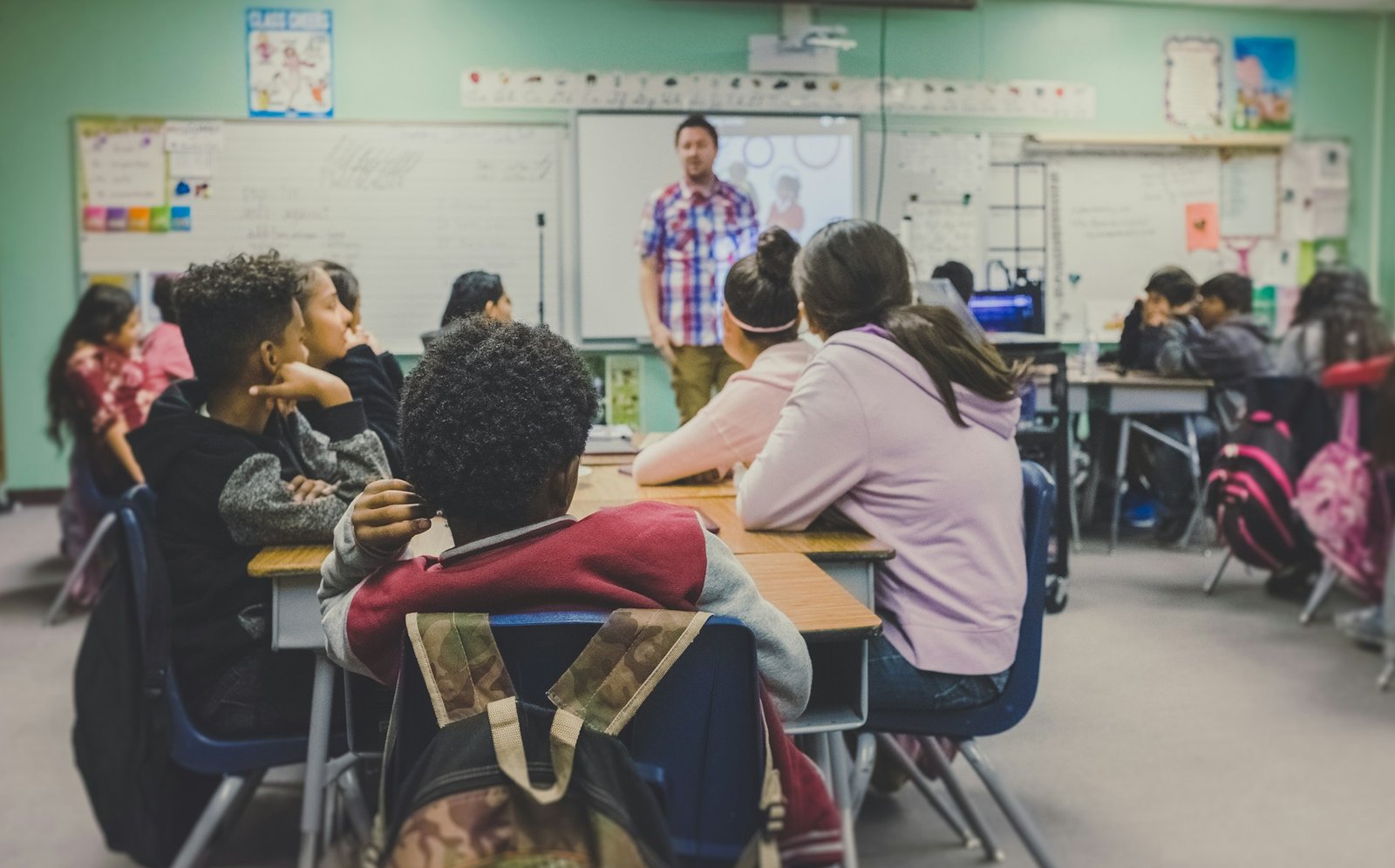
The academic sector is at a threshold now when it comes to environmental awareness, and has the power — as well as a duty by extension — on account of student behavior modeling. Sustainable school design and operation have a positive impact on the environment, but they also serve as learning tools for the children. In this piece, we will be exploring new avenues for environmentally sound schools fully capable of nurturing students and the planet.
The Importance of Sustainable Schools
Our schools are the beating heart and soul of all that we stand for, more than just brick walls; they exist to create a community with visionaries who will shape our tomorrow. Sustainable Chances for Schools ·
Save them money and lower their carbon emissions.
Indeed, the Healthier Air in Schools Act of 2015 would remove barriers to indoor air quality improvements at schools.
Show students how they can steward for the environment with everyday examples.
Motivate efforts of sustainability across the community
Sustainable School Design
Energy-Efficient Architecture
The natural first step in making a healthy school is to build it healthfully from the start. Key considerations include:
Some definitions: It means the orientation of buildings so that they get natural light, it saves on artificial lighting and heating.

Insulation – Proper insulation reduces heat loss in winter and heat gain in summer, which leads to energy savings.
Vegetated Roofs: Decay, Insulate, Reduce Stormflow, and Outdoor Learning
Renewable Energy Sources
Using renewable energy sources in school design can cut fossil fuel consumption dramatically.
Solar panels: Rooftop solar arrays generate carbon-free electricity and can be used as an educational resource, too.
Geothermal systems: Ground source heat pumps can provide cooling and heating by using the constant temperature of the earth.
Wind turbines — small-scale wind turbines, where appropriate, can help to meet your energy needs.
Water Conservation
4How Sustainable Schools approach water savingMay 8Posted on May 810th, by Edite in Uncategorized.
Rainwater harvesting, and capturing rainwater for irrigation and non-potable uses can substantially reduce water use.

Low-flow fixtures: New water-efficient faucets, showerheads, and toilets save both your money on your bill while saving thousands of gallons a year from being flushed.
Native landscaping: The use of drought-resistant native vegetation which requires no watering.
Sustainable Operations
Waste Reduction and Recycling
Vital is the implementation of holistic waste management programs like Urban.
Composting: Both food scraps and yard trimmings are composted on-site to create a valuable addition to the soil.
Recycling Stations: the school has multiple recycling bins that are posted and also littered throughout each building so students know where to throw away their waste.
Save paper: Move to electronic resources and use less disposable paper by making it an accepted policy that everything will be double-sided printed.
Sustainable Transportation
We promote green transportation options that not only reduce emissions but show students what other forms of transit are available to them.
सम्बंधित ख़बरें
Bike Racks and Safer Routes Updating by getting a bike rack that can also make your student store their bicycles safer, and working with the local government to create safe routes for them (bike lanes, etc)

Electric cars are standards — where the installation of car chargers in employee and visitor parking areas can make electric vehicles more convenient to use
Maximize utilization of school buses: Route optimization software and electric or hybrid vehicles could be used to minimize the emissions from transport.
Green Cleaning and Maintenance
Green Cleaning ProtocolsIncreasing Indoor Air QualityDecrease of Chemical Exposure
Product Green cleaning products Non-toxic, biodegradable cleaning supplies protect student and staff health.
Integrated pest management — utilizing the use of naturally predatory creatures to keep pests…
Maintenance: This refers to the regular management of a building, and proactive systems maintenance which helps maintain optimal operational energy performance and longevity.
Educational Integration
Integrating environmental education into our region is well aligned with the benefits of building sustainable schools.
Living Laboratories: Utilizing the school’s unique sustainable characteristics in learning Science, Technology Engineering, and Math (STEM) lessons.

Green and Healthy Schools – Garden-based learning: School gardens are an excellent way to teach students about local food systems, nutrition, and ecology.
Encouraging student monitoring of the school’s energy use and alertness to energy-saving behavior
Community Engagement
Schools as catalysts for broader community resiliency efforts:
Community events: Hosting sustainability fairs or workshops helps to spread the knowledge to a wider audience.
Partnerships — Working with outside local businesses and organizations on sustainability efforts to broaden the school’s reach.
Student projects: Student-driven sustainability initiatives help to build student changemakers.
Challenges and Solutions
There are clear benefits to sustainable schools, but there are challenges:
Higher upfront costs: While some sustainable features may be more expensive up front, the eventual savings can often outweigh these initial investments. To invest in a transformation made with green bonds, and performance contracts among others.

Internal resistance: Teaching about and communicating the benefits of sustainability from staff, parents, or even administrators.
Complexity of maintenance: To maximize ROI, your training facility and its staff must be trained in new technologies/systems.
Conclusion
Investing in this future by designing schools and running utilities on sustainable practices pays important dividends. The sustainability of educational institutions is not only for the benefits it offers in terms of reducing waste and emissions, but also an example set to future generations that understand how we learn can be nurturing too. As they transition from young students to future movers and shakers, the sustainable schools for which these seeds are planted will create a better world: one with less impact on pollution, waste, or global warming.